Do Cover Letters Still Matter in 2026? The Data Says Yes
The cover letter has been declared dead so many times that questioning its relevance has become a cliche in career advice. Yet the data from 2025-2026 hiring cycles tells a different story.
What the Numbers Show
A survey of 500 hiring managers across technology, finance, and professional services found that 68% still read cover letters when they are provided. More importantly, 45% said a strong cover letter has moved a borderline candidate into their interview shortlist. The cover letter is not dead — but the generic one might as well be.
When Cover Letters Make the Difference
Cover letters matter most in three scenarios. First, when you are making a career change and your CV alone does not explain the transition. Second, when the role involves significant written communication — marketing, content, consulting, client-facing positions. Third, when you are applying to a smaller company where hiring decisions are more personal and less algorithmic.
For large companies with fully automated screening, a cover letter may have less impact on the initial filter. But it still reaches the human reviewer who makes the final interview decision.
What Actually Works
The cover letters that make an impact share common traits. They are short — three to four paragraphs, rarely more than 200 words. They address the specific role, not the company in general. They bridge a gap that the CV alone cannot close — explaining a career change, highlighting a specific achievement relevant to the role, or demonstrating knowledge of the company's challenges.
What does not work: restating your CV in paragraph form. If your cover letter simply narrates your work history, you have wasted the recruiter's time and your opportunity.
The AI Advantage
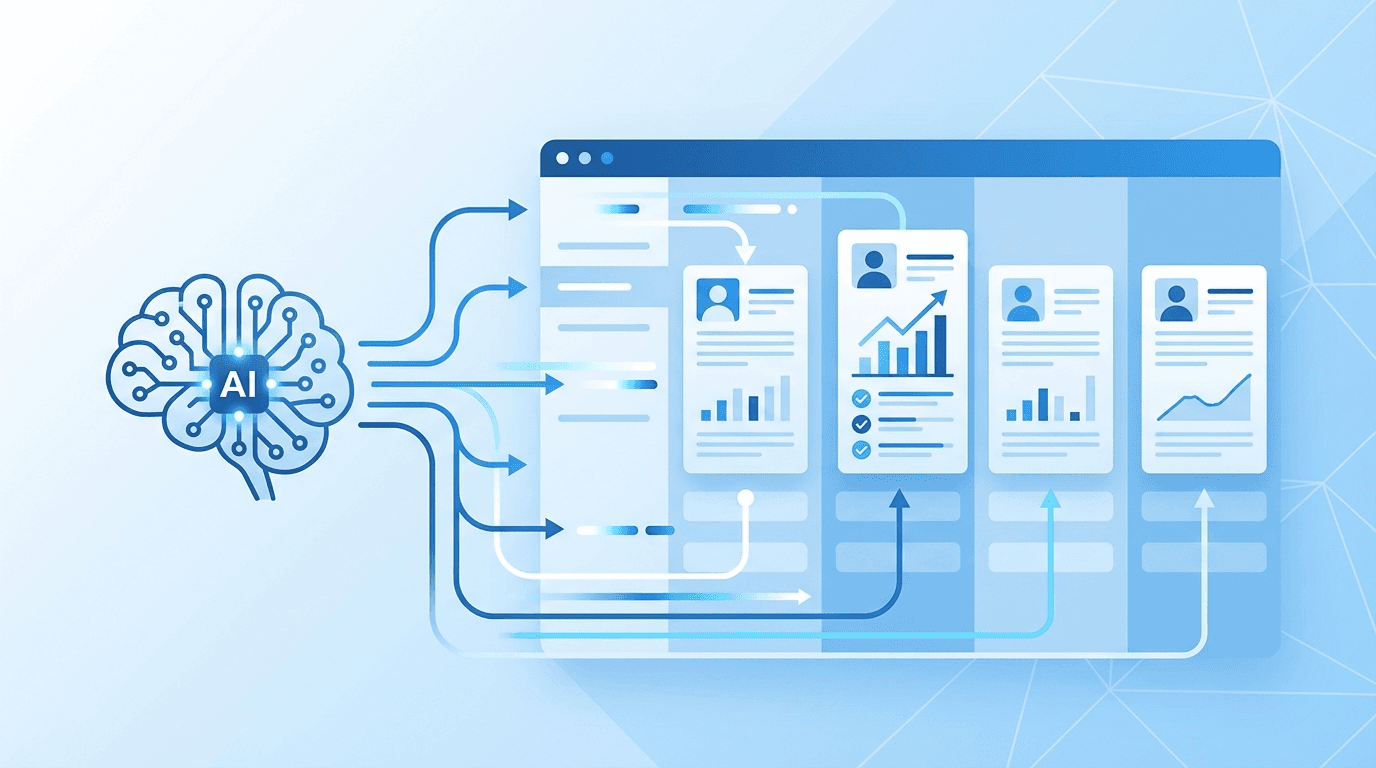
AI-powered cover letter generators have made it possible to create tailored letters quickly. The best tools — like Freddys.io — analyse the job description and your profile to produce a letter that addresses the specific role requirements while maintaining a natural, human tone. The key is customising the output: use the AI-generated draft as a starting point, then add the personal insight that only you can provide.
The Practical Approach
Write a cover letter for every application where the option exists. Keep it concise, specific, and forward-looking. Focus on what you will bring to the role, not what you have done in the past. And never, ever use the phrase "I am writing to express my interest in the position of..." — every recruiter has read that sentence a thousand times.
The cover letter is not dead. The generic, bloated, formulaic cover letter is. Replace it with something sharp and specific, and you gain an advantage that most candidates leave on the table.
Ready to build your perfect CV?
Join thousands of professionals using Freddys.io to create role-targeted CVs in seconds.
Get Started Free