How Companies Actually Screen Your CV with AI in 2026

The recruitment technology stack has evolved dramatically. Understanding how companies process applications in 2026 gives you a strategic advantage in crafting your CV and approach.
The Modern Screening Pipeline
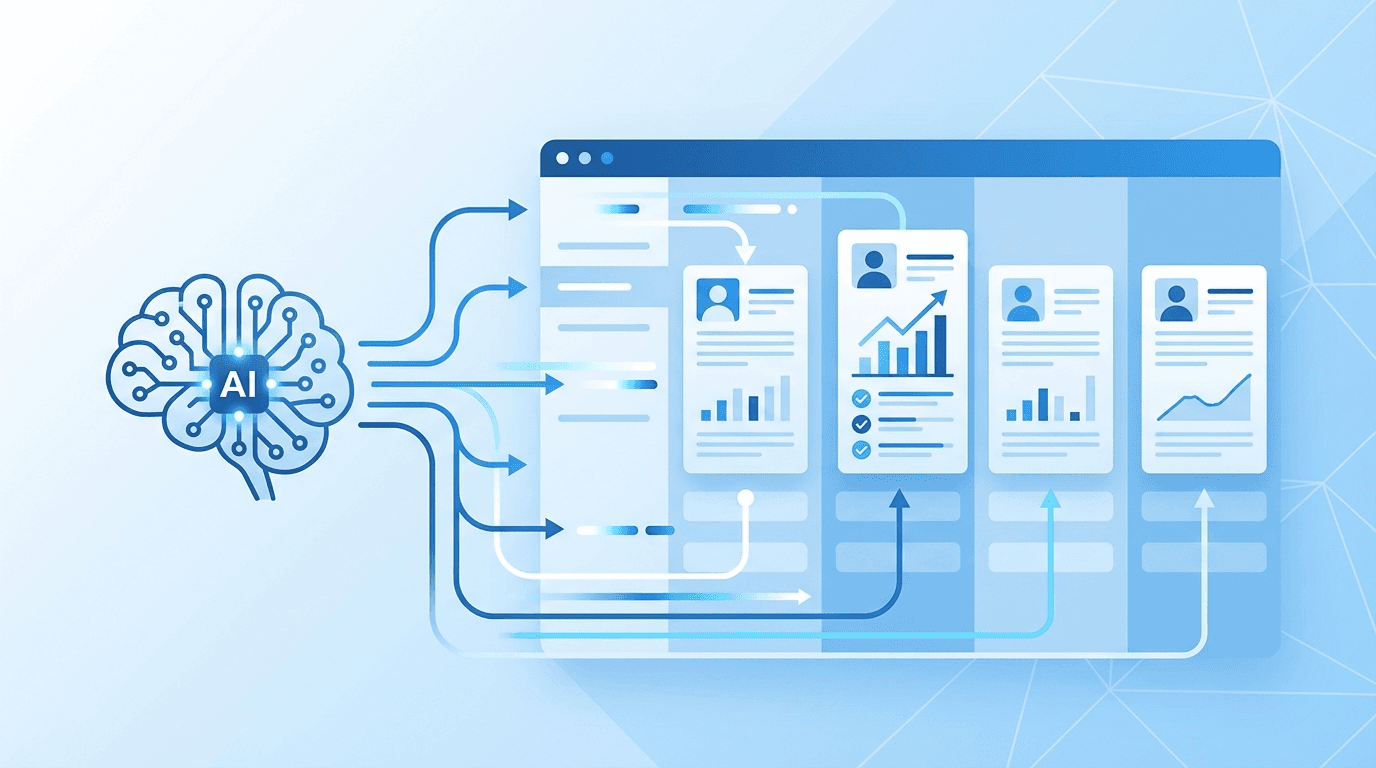
A typical application in 2026 passes through three to four automated stages before a human sees it. First, the ATS parses your document and extracts structured data. Second, an AI scoring engine evaluates your profile against the job requirements — going beyond simple keyword matching to assess semantic relevance. Third, many companies now use AI-powered ranking systems that compare all applicants and generate a shortlist. Only after these stages does a recruiter review the top candidates.
Semantic Matching vs. Keyword Matching
The biggest change from earlier ATS systems is the shift from keyword matching to semantic understanding. Modern AI screening tools understand that "revenue growth" and "sales expansion" describe similar achievements. They can recognise that "Python" experience is relevant to a role asking for "programming skills."
This is good news for candidates — it means you no longer need to mirror the exact words from the job description. However, it also means the AI can detect padding and irrelevant keyword stuffing more effectively.
What the AI Evaluates
Current screening AI looks at several factors beyond keyword relevance. Career progression is assessed — does the candidate show growth over time? Tenure patterns are flagged — very short stints at multiple companies may trigger a review. Skill recency matters — skills used in the past two years are weighted more heavily than those from a decade ago.
Some advanced systems also evaluate the specificity of your achievements. "Increased sales" scores lower than "Increased quarterly sales by 23% through restructured client onboarding process." The AI rewards precision because precise claims are easier for recruiters to verify and discuss in interviews.
The Cover Letter Question
In an AI-screened world, does the cover letter still matter? The answer depends on the company. Many ATS systems now parse cover letters for additional context, feeding that information into the scoring model. A well-written cover letter that addresses the specific role requirements can improve your ranking. A generic one adds nothing and may actually signal low effort to the AI.
Optimising for AI Without Gaming the System
The best strategy is also the simplest: write honestly and specifically about your real achievements, using clear language and standard formatting. AI screening rewards substance over style, specificity over generality, and relevance over volume.
Tools like Freddys.io are designed to help you present your genuine experience in the format that both AI systems and human recruiters will evaluate most favourably — specific, targeted, and clearly structured.
The AI in recruitment is not your adversary. It is a filter designed to surface the most relevant candidates. Your job is to make your relevance unmistakable.
Ready to build your perfect CV?
Join thousands of professionals using Freddys.io to create role-targeted CVs in seconds.
Get Started Free